There are three fundamentals to how you should prep your skin before any cosmetic procedure: put some protection on your barrier, discontinue irritating actives in good time and do as your clinician says. The abridged version is to keep your face from being cross and cranky by steering clear of the sun, retinoids, acids and scrubs, not to mention smoking, a few too many drinks and any last minute fiddling.
Violet Stanhope here. One has to have been around salons and treatment rooms and beauty marketing for years, as I have, with all the training that entails, to know this: you will see better results when you put in the work well ahead of the appointment. What state your skin is in can make all the difference to the day of, from healing and bruising to irritation and your practitioner’s ability to be safe with you.
A Sensible Start

You won’t find glamour in pre-procedure prep but it is important. You might as well set the table right for dinner than throw some cutlery at your guests and make do.
The aim is to present calm, well-hydrated and unblemished skin with minimal inflammation, be it for a surgical procedure, laser, fillers, a peel or a cosmetic tattoo. It is the safer way for your clinician to begin and it mitigates the risk of infection or bruising.
Quick Pre-Procedure Checklist
For those short on time, an at-a-glance summary. It is no substitute for what the clinic puts in writing but it will save you from making a fool of yourself.
People will tell you more skincare is better prep; they are usually wrong. In the run up to treatment, there is something to be said for the unexciting approach.
- Retinoids should be put aside; 5 to 7 days before is the norm at most clinics so enquire about stronger prescription actives.
- Put away exfoliants and acids, resurfacing products of low pH and the like.
- Make a habit of broad-spectrum SPF and do not tan.
- If your barrier is flaky or tight, moisturise and hydrate.
- Unless instructed to the contrary by your clinician, do not wax or shave close to where you are to be treated.
- Do not take it upon yourself to stop prescribed medicines, but if your practitioner deems it safe then blood thinners and certain supplements are out.
- Circulation is key so limit alcohol in the couple of days before, particularly for injectables, and put off smoking before any kind of treatment.
- On the day of treatment you should be makeup free with nothing but clean, bare skin.
- And if you have put on a rash or a cold sore, or your skin is broken or you have started a new medication, ring the clinic.
Timing Matters Most
Your prep should be as different as the procedures themselves; a light skin treatment and surgery are not in the same league. The following is a practical way to go about it though we would have you follow your practitioner’s word over ours should he or she have other counsel based on your history or the device settings.
| Procedure Type | When To Start | Key Prep Focus | What Catches People Out |
| Laser Treatments | 1 to 2 weeks before | Strict SPF, no tanning, acids or retinoids | Showing up with fake tan residue or having been in the sun |
| Fillers Or Anti-Wrinkle Injectables | 3 to 7 days before | No excess alcohol, check your supplements, stave off bruising | Hard exercise or aspirin/ibuprofen/fish oil too near the time |
| Chemical Peels | 5 to 14 days before | Put down the exfoliants, support your barrier, no hair removal | A “gentle” acid used the day of |
| Cosmetic Tattooing | Some 7 days before | Sunburn and recent peels are a no-no | Flaky skin or dehydration around the brows/lips |
| Cosmetic Surgery | 2 weeks plus | Have a plan for cleansing, medical clearance, give up smoking | Medication changes of your own accord |
Two Weeks Out
With cosmetic surgery on the cards, now is the time to get things in order. Get a handle on the practicalities: who is to help you when you are bandaged and sore, transport, time off. And be sure you know what medications to cease and when.
In the case of facial surgery two weeks out is also when you attend to barrier repair and sun protection in earnest. Leave the experiments and the trendy peels for another day, and forget any talk of having “just tried an amazing resurfacing mask”.
One Week Out
Here the stop list is in full effect. Heed your clinician and you will be done with the retinol and exfoliating acids for the procedure date, and the grainy scrubs can be put on the shelf. Supplements are something people have a way of overlooking at this time. Yet garlic, ginseng, fish oil and vitamin E are all topics of conversation prior to procedures since they can be the cause of bruising or bleeding in some. Do not be blind about self-managing; put in a call to your nurse or doctor for guidance.
The Final Forty-Eight Hours
Let the skin be. Waxing, dermaplaning and at-home peels are out, as is any hard shaving in the vicinity of where you are to be treated or putting in mind to “squeeze one little spot”.
Should your clinician have put you on a chlorhexidine wash ahead of surgery, then use it per his or her instructions. You will find surgical teams are very particular with their washing regimen for the night and morning of the procedure.
Products To Put On Hold
Neglect is rarely the issue with pre-procedure skin care, overuse is. There is an understandable but unhelpful tendency to keep up with active products for fear of a breakout or a dull appearance come the appointment. But skin prep is for the purpose of curbing inflammation, not in pursuit of perfection the night before.
Retinoids And Retinol
Prior to laser work, tattooing, peels or certain surgical protocols, retinoids have a way of leaving the skin dry and reactive. A good many clinics will tell patients to forgo them for 5-7 days, longer if one is on a prescription. When in doubt as to how long to hold off on acids or retinol, the best course is to let the clinic know the strength and name of what you are using and abide by their protocol for the procedure at hand. “Retinol” is a broad term that can cover everything from a cosmetic serum to a more potent prescription.
Acids, Scrubs And The Like
You will do your barrier no favours with AHAs, BHAs, PHAs, resurfacing masks or peel pads in the run up to treatment. Unless your practitioner has made room for them in your plan, leave the exfoliants and acids be. Then there are acne spot treatments, benzoyl peroxide and brightening serums which can sting and dry things out. A hot, flaky face is not a sign of a product “working”, it is a white flag.
Medicines And Lifestyle

Here matters of safety are at stake. Your clinic requires the whole story as some medicines and supplements are prone to interactions or to hamper healing and promote bleeding. Be forthright. A practitioner is not in a position to be safe with information you have left unspoken because it was in your gym bag with the protein shaker.
Blood Thinners And Supplements
The list of what to eschew before a cosmetic appointment is not set in stone, though aspirin, anticoagulants and anti-inflammatories are of concern, particularly with injectables and surgery. Under no circumstances should one discontinue a prescribed medicine without asking the prescribing doctor and the treating clinic. It is also prudent to see via the Australian Health Practitioner Regulation Agency (AHPRA) that your provider is in order, as they are the national regulator for registered health practitioners.
Smoking, Vaping And Alcohol
To be blunt: put off smoking until after surgery, the sooner the better. It does a number on circulation and wound healing, something of import for any procedure dependent on sound tissue repair.
Alcohol is a pitfall. One is hardly making a wise trade by having a big night out before surgery or injectables when it is only going to add to the puffiness and perhaps some bruising.
Tend To The Barrier
It is not merely a question of what to put down, but of providing the basics for your body and skin to cope.
Hydrate and Moisturise
Dry, irritated skin is fragile; well-hydrated skin is not. Steady your routine with a moisturiser that is simple and free of too much in the way of actives or fragrance. In winter or with the air-conditioning running, or after a flight, it is even more necessary. In Melbourne one can have four seasons and worse before lunch, so support for the barrier is anything but theoretical.
Food, Rest And Routine
Stick to whole foods and protein, and resist the urge to go on an extreme detox at the behest of the internet. For surgery the word of your treating team on fasting and such will always supersede general wellness advice.
Poor sleep is the thing that will get to you here. Skin that is underfed, tired and stressed makes no secret of it, and neither does the behaviour one puts on at reception.
The Day Before
There is no need for a spa montage on the last day, just an effort to cut down on friction. Put some protection on the skin from wind and sun and leave it clean and calm.
Should you be having surgery, make sure to adhere to the washing instructions to the letter. With a clinic treatment you want to have your arrival time sorted as well as parking and transport options, and know if you are in any fit state to drive home. Pre-procedure guidelines often recommend avoiding makeup, moisturizers, and piercings to ensure optimal results and safety.
Real-World Logistics
Not particularly glamorous but you will find it useful to have your comings and goings planned. After sedation has left you sore or with light-sensitive eyes, a tram in peak hour is not going to seem charming; more like sardine-can rough.
In Melbourne, Sydney or Brisbane type metro areas, factor in the extra time for parking, lifts and reception forms; cosmetic clinics do not tend to run to your fantasy timetable. And put in place a support person for surgery well in advance, there is no point in texting for favours at 6.15 am.
Treatment-Day Basics
Prep for the procedure should be straightforward, no flowchart required. Cleanse gently the evening before and in the morning if told to do so. No makeup, fake tan, perfume or anything of an irritating nature on the area to be treated. Ditch the jewellery and wear something loose and unencumbering for body work or surgery. Have your medication list and forms to hand, and a hat or sunglasses in case of sun sensitivity.
Then there is the question of whether to come in made up for the procedure. Most practitioners would say no, they prefer to see you without it for hygiene’s sake and to make an assessment of the skin.
- Cleanse gently the evening before and in the morning if told to do so.
- No makeup, fake tan, perfume or anything of an irritating nature on the area to be treated.
- Ditch the jewellery and wear something loose and unencumbering for body work or surgery.
- Have your medication list and forms to hand, and a hat or sunglasses in case of sun sensitivity.
Different Procedures Need Different Prep
Some rules are universal but not all, and a little nuance will prevent headaches. One might think to prep for laser or a cosmetic tattoo in the same offhand way as they did for fillers. They could not be more wrong. The risks and tools are not the same.
Laser And Light Treatments
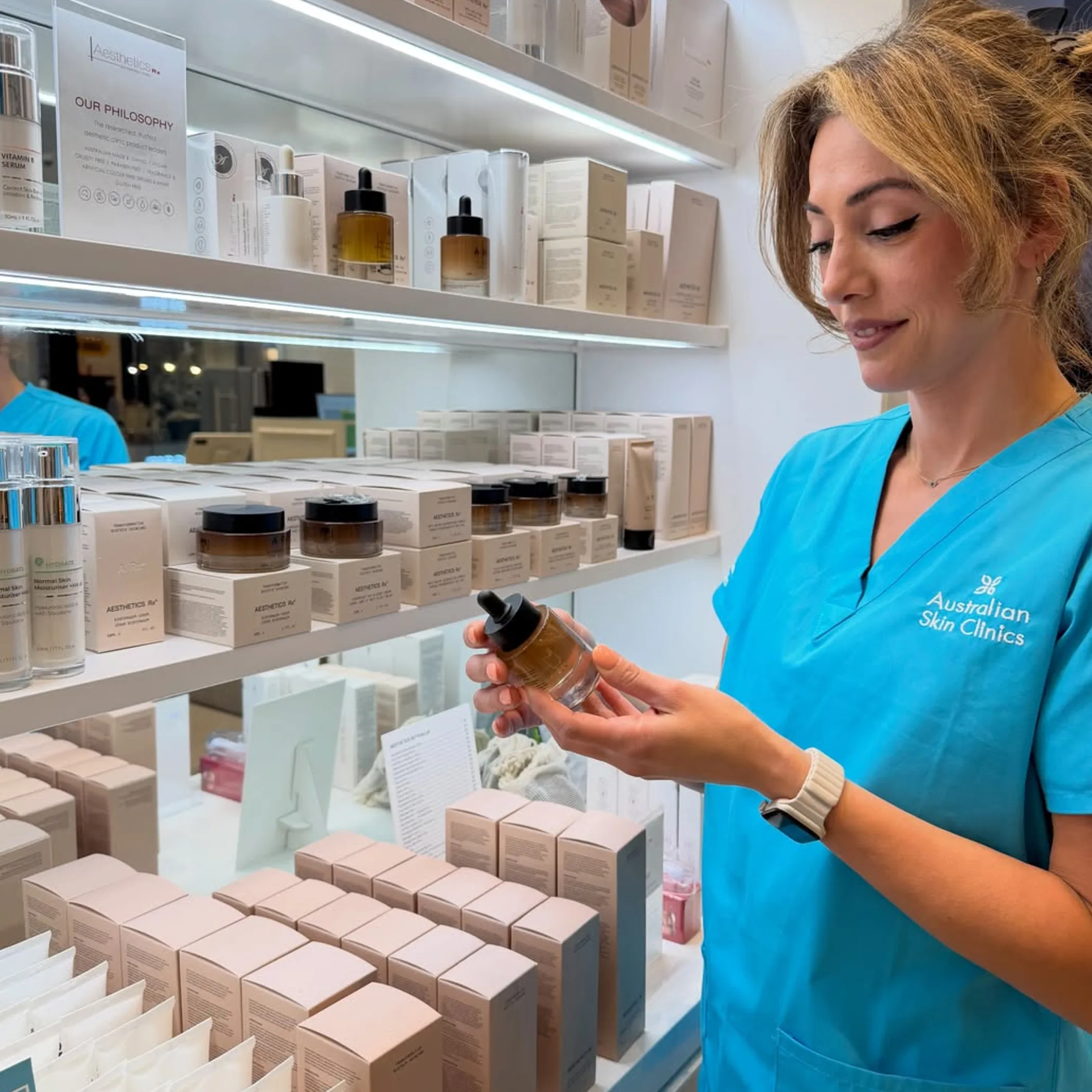
You want to stay out of the sun prior to laser and be candid about any photosensitising drugs or recent irritation, let alone fake tan. Tanned or inflamed skin invites uneven results and irritation, which is why the likes of Australian Skin Clinics are insistent on active-free prep and sun avoidance.
Injectables
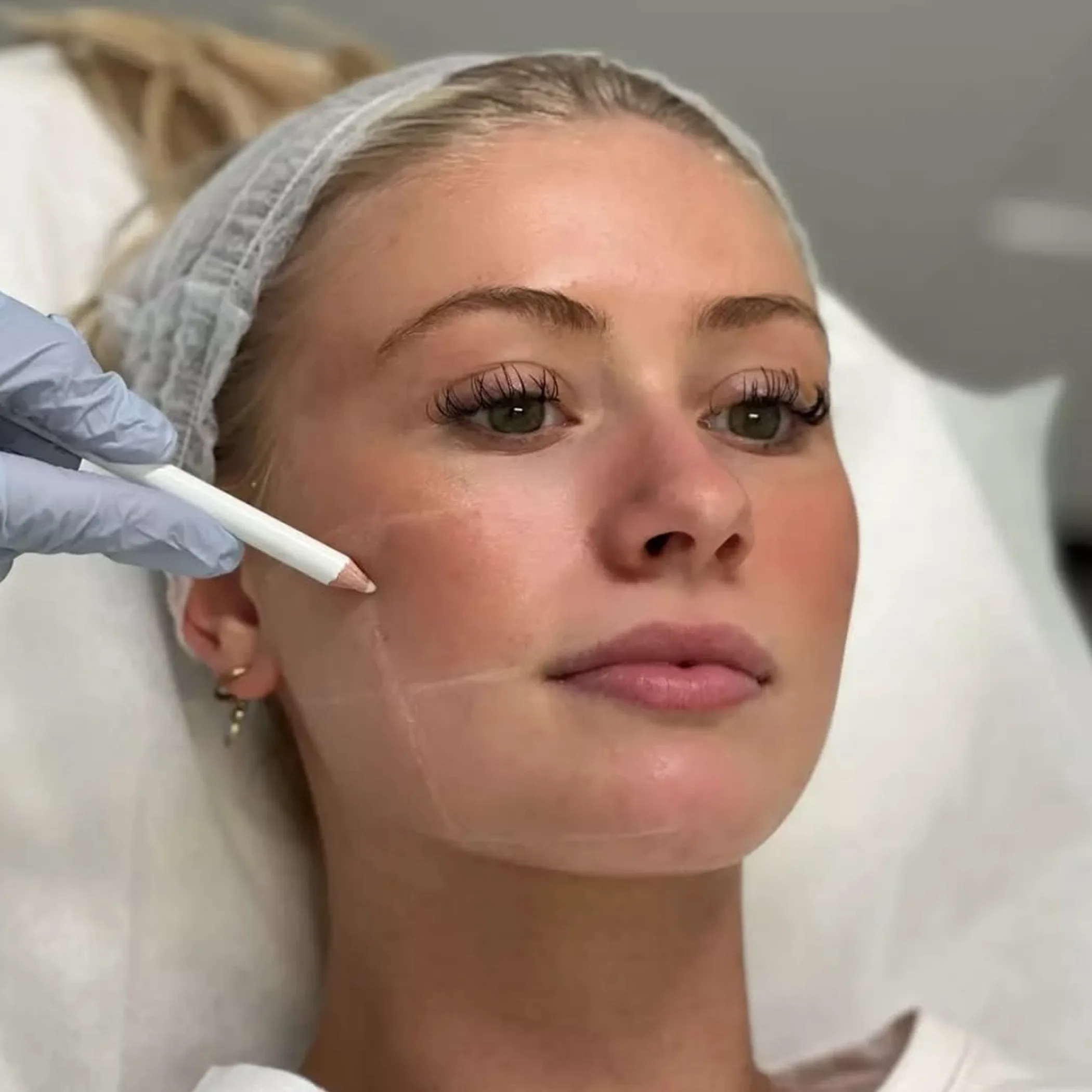
With anti-wrinkle or filler work you have to manage bruising. A proper consultation and medical history are what you will be urged to have by cosmetic doctors of repute in Australia such as Dr Eddy Dona and Dr Jeremy Hunt, along with sensible expectations as to downtime. Let the clinic know if you bruise easily. An excess of alcohol and unchecked supplements can be avoided to mitigate infection and bruising risk but do not change your medicines without professional input.
Chemical Peels
It is a bad mix when you have pre-existing irritation and a peel. Arrive with skin that has not been waxed, scrubbed or sunburnt. The Cleveland Clinic would concur: protect the barrier and keep things simple. It is not the most appealing counsel but it keeps your face from acting up.
Cosmetic Tattooing
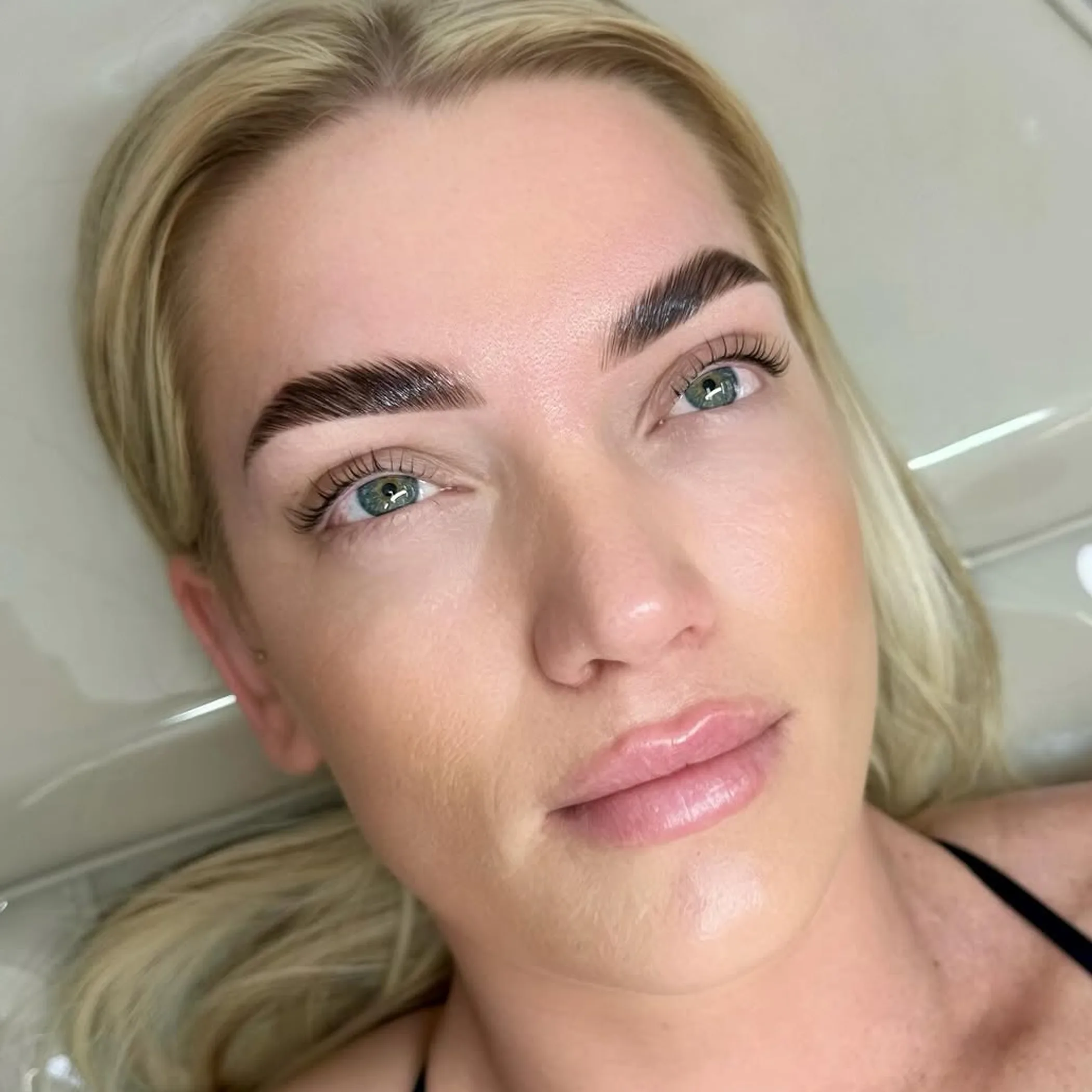
Intact and settled skin is what is called for with liner, lips or brows. Cosmetic Tattoo Melbourne and their counterparts in Brisbane will tell you to put off peels and retinoids and certain medications in the lead up. And for lip tattooing, a word to your practitioner early on if cold sores are an issue. There are details of this sort that one is apt to put out of mind until the time comes when they are of consequence.
Surgery
In the case of cosmetic surgery, getting the skin ready can be as much a medical affair as a cosmetic one. A surgeon will want you to have done your antiseptic washing and fasted, to have given up smoking and had your medication seen to, and to have a definite plan for your arrival.
You will find some private surgical outfits like Aventino Medical Group with their own way of doing things but it all boils down to the same thing: what is in the pre-op checklist from your treating team should be heeded over whatever theories the blokes in an online comment section might proffer.
Mistakes That Undo Good Prep
For the most part these are habits that get in the way of a good outcome. They are simple enough to put right if spotted in time but best left alone in the first place. People tend to assume the risk lies with the procedure; in reality a good deal of trouble has its origins in the week leading up to it.
Common Own Goals
If you present with a sunburn or dry, flaky, rashy skin or an active breakout in the vicinity of where you are to be treated, expect a postponement. The same goes for having waxed of late, put on a fake tan, an outbreak of cold sores or the use of actives at the eleventh hour in the name of looking fresh.
Then there is the matter of not telling them about a new course of antibiotics or antivirals, an acne drug or recent indisposition. Clinics put those questions to you for a purpose, not out of nosiness.
When To Ring The Clinic
At times the sensible thing is to halt and inquire. Do not just turn up and make the best of it should your skin take a sudden turn.
Make a call in the event of a rash, broken skin, sunburn, a cold sore, any indication of infection or a new medication, or if you are in any doubt over a product. Rescheduling is preferable to going ahead with angry skin and having cause to regret it.
Questions People Ask Most
Some practicalities come up with some frequency. One can understand that; the advice on cosmetic prep is easily muddled when half the people on the internet are putting forward their hot takes.
What Do They Put On Your Skin Before Surgery?
Your surgeon’s protocol and the nature of the operation will dictate. You may be put on a chlorhexidine type antiseptic wash or given particular instructions for the treatment area. Just do as the surgical team says.
What Is Off Limits 7 Days Out?
No smoking, tanning or binge drinking, no new actives for your skin and do not discontinue your prescribed medication without leave. Under medical guidance many are steered clear of blood thinners and supplements that could impact bleeding.
How Does One Prepare The Body For Surgery In A Natural Way?
Get your sleep in, eat properly, stay hydrated and have some gentle movement if you are allowed. Quit smoking. See to the logistics of your recovery and leave the skin well moisturised and out of the sun.
Is A Hair Wash Required The Night Before?
Usually for anything to do with the face or scalp, provided your team tells you to. Stick to their recommended products and do not go slathering styling products on your hair or skin.
Two Weeks Before A Facelift?
Have your surgeon look over your medicines and supplements. Cease smoking, put the irritating skincare and the sun aside and adhere to the pre-op list. Make arrangements for time off work and transport and someone to see to things at home.
A Calm Skin Wins

The point is that well-hydrated, protected and calm skin is what you want to start with. It is not a question of expending more effort but of being more circumspect.
That is how you should approach it before any cosmetic procedure. Let the heroics be, heed the medical advice and allow your skin the quietude to be well-behaved. Not very exciting but it works.
